
When the Pain Is in Your Nervous System, the Treatment Has to Go There Too
Sympathetic Block and Bier Block Treatment in Denver and Colorado Springs
Chronic nerve pain and conditions like complex regional pain syndrome do not respond to standard approaches the way musculoskeletal pain does. When the sympathetic nervous system is driving your pain signals, the treatment needs to address that system directly. At MD Pain, our team of interventional pain management specialists offers sympathetic nerve blocks and Bier blocks as targeted, non-narcotic options for patients who are living with pain that has not responded to other treatments. We serve patients across the Denver metro and Colorado Springs.
What Are Sympathetic Nerve Blocks?
The sympathetic nervous system controls involuntary functions throughout the body, including blood flow and the transmission of certain pain signals. In conditions where this system becomes dysregulated, it can amplify and sustain pain far beyond what would be expected from the original injury or diagnosis. A sympathetic nerve block is an injection delivered near the sympathetic nerve chain to interrupt those abnormal pain signals at their source.
Because the sympathetic chain runs along different regions of the spine depending on which part of the body is affected, sympathetic blocks are performed at specific anatomical targets. The celiac plexus, the lumbar sympathetic chain, and the stellate ganglion are among the most commonly targeted sites, each addressing pain in a different region of the body.
At MD Pain, our physicians use image guidance during sympathetic block procedures to place the injection accurately and safely. This precision matters because the sympathetic chain sits close to important vascular and neurological structures, and proper positioning directly affects how well the block works.
Conditions That May Respond to Sympathetic Nerve Blocks
Sympathetic nerve blocks are most commonly used for:
- Complex regional pain syndrome (CRPS) types I and II, formerly known as reflex sympathetic dystrophy (RSD)
- Phantom limb pain following amputation
- Peripheral vascular disease causing ischemic pain
- Herpes zoster and post-herpetic neuralgia
- Hyperhidrosis related to sympathetic nerve dysfunction
- Vascular insufficiency pain in the extremities
- Cancer-related pain involving sympathetically mediated pathways
These conditions share a common thread: the nervous system is generating or sustaining pain in a way that is not directly tied to ongoing tissue damage. Addressing the sympathetic pathway is the most direct route to interrupting that cycle.
Stellate Ganglion Block
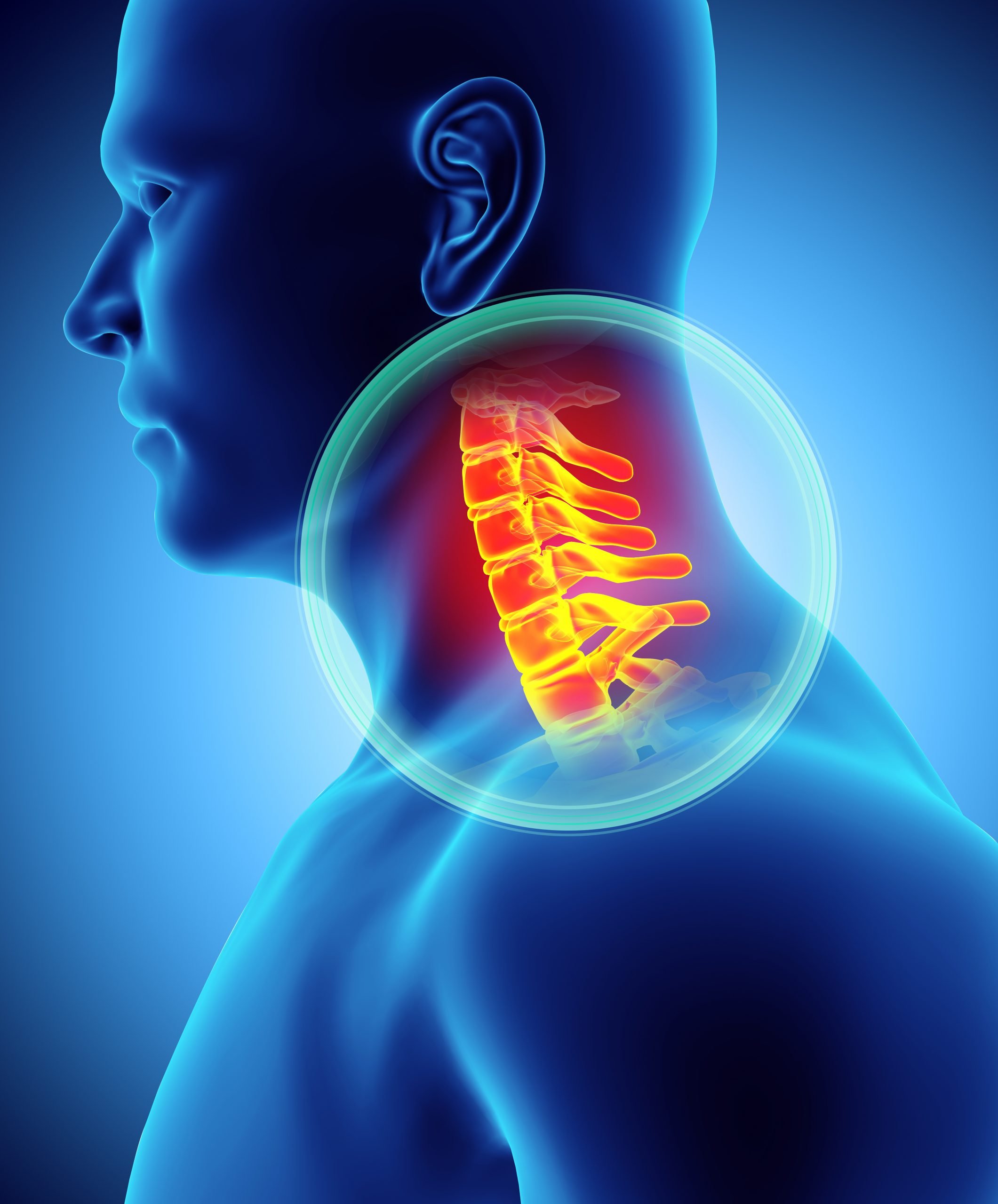
The stellate ganglion is a cluster of sympathetic nerves located in the neck, at the level of the sixth and seventh cervical vertebrae. A stellate ganglion block targets this specific structure and is used to treat pain and symptoms affecting the head, neck, upper extremities, and chest wall.
In addition to pain management applications, stellate ganglion blocks have received attention for their potential role in treating other conditions involving dysregulation of the sympathetic nervous system, including certain presentations of post-viral conditions. The procedure is performed with the patient lying on their back, and image guidance is used to confirm accurate needle placement before the anesthetic or medication is delivered.
Patients who receive a stellate ganglion block may notice warmth or flushing in the treated arm or face immediately after the procedure, which reflects the sympathetic block taking effect. This response is temporary and expected.
Lumbar Sympathetic Block
The lumbar sympathetic block targets the sympathetic nerve chain along the lumbar spine, typically at the level of the second and third lumbar vertebrae. It is used to address sympathetically mediated pain in the lower extremities, including pain related to CRPS affecting the legs and feet, peripheral vascular disease, and ischemic limb conditions.
Patients with burning, aching, or hypersensitivity in the lower limbs that has not responded to other treatments are often good candidates for evaluation for a lumbar sympathetic block. The procedure is performed with fluoroscopic or CT guidance to ensure accurate placement along the lumbar chain.
Celiac Plexus Block
The celiac plexus is a network of sympathetic nerves located in the upper abdomen, near the aorta. A celiac plexus block is used to treat chronic abdominal pain related to conditions such as chronic pancreatitis, abdominal cancer, or other upper abdominal pain conditions where sympathetic pathways are involved.
This block can serve both a diagnostic and a therapeutic purpose. When it provides meaningful relief, it confirms that the sympathetic nervous system is playing a significant role in the pain, and it opens the door to longer-term management strategies.

What Is a Bier Block?
A Bier block, also called an intravenous regional anesthesia block, is a different type of procedure from a sympathetic nerve block. It uses a tourniquet applied to an arm or leg to temporarily isolate circulation in that limb, allowing a local anesthetic to be delivered intravenously in a concentrated way to the isolated region.
The technique was first described by German surgeon August Bier in 1908, making it one of the oldest forms of regional anesthesia still in use today. It remains an effective option because it delivers anesthetic directly to the nerve endings within a defined region, without the systemic effects that come with general or intravenous sedation.
In a pain management context rather than a surgical one, Bier blocks can be used with medications such as guanethidine or bretylium to produce a longer-lasting sympathetic interruption in the affected limb. This approach is particularly relevant for patients with CRPS or similar conditions affecting the hands, wrists, forearms, feet, or lower legs.
How the Bier Block Procedure Works
The procedure begins with the placement of two intravenous lines in the affected extremity, one near the hand or foot and one near the elbow or knee. The limb is elevated and wrapped to drain blood from it, and a double-cuff tourniquet is applied above the area being treated. The tourniquet is inflated to a pressure above systolic blood pressure, which stops blood from entering or leaving the limb.
The anesthetic or medication is then injected through one of the IV lines into the isolated limb. Because the tourniquet prevents the medication from entering the systemic circulation, the drug is concentrated locally in the nerves and soft tissue of the treated region. The tourniquet remains in place for a minimum of 20 to 30 minutes to allow the medication to bind before it is slowly deflated.
The total procedure time is typically under one hour, and most patients are monitored briefly after tourniquet release before being discharged. Because the medication is confined to the limb during the treatment phase, systemic side effects are minimized.
Sympathetic Blocks vs. Bier Blocks: Understanding the Difference
Both procedures address sympathetically driven pain, but they do so through different mechanisms and are appropriate for different clinical situations. Sympathetic nerve blocks work by injecting near the sympathetic nerve chain itself, interrupting pain signals at a central anatomical relay point. Bier blocks work by flooding the peripheral nerve endings in an isolated limb with a high local concentration of anesthetic or sympatholytic medication.
The choice between these approaches depends on several factors: the location and distribution of your pain, your diagnosis, your response to prior treatments, and the specific structures your physician believes are most responsible for maintaining your symptoms. In some cases, both approaches may play a role in a broader treatment plan.
The team at MD Pain evaluates each patient individually before recommending any procedure. Treating the individual, not the ailment, is the foundation of how our physicians build every treatment plan. There is no single-size protocol here. Your symptoms, your history, and your goals all factor into what we recommend.

Diagnosing Sympathetically Mediated Pain Near You
One of the challenges with conditions like CRPS and sympathetically maintained pain is that they can be difficult to diagnose with standard imaging. An MRI or X-ray may show little or nothing abnormal, even when a patient is experiencing severe, debilitating pain. This gap between what imaging shows and what a patient experiences is one reason many people with sympathetically mediated pain go undiagnosed or undertreated for extended periods.
Sympathetic nerve blocks can serve a diagnostic purpose in addition to a therapeutic one. If a properly performed sympathetic block produces significant, measurable relief, that response itself confirms that the sympathetic nervous system is driving the pain. This information is clinically valuable and shapes the longer-term treatment approach.
If you are living with burning pain, color or temperature changes in a limb, skin sensitivity that makes even light touch uncomfortable, or swelling that does not have a clear structural cause, these may be signs of a sympathetically mediated pain condition. Getting an accurate evaluation near you, with physicians who understand these complex pain syndromes, is the first step toward effective treatment.
What to Expect at MD Pain
Our approach to sympathetic blocks and Bier blocks starts before any procedure begins. During your initial consultation, our physicians will review your history, prior treatments, imaging, and current symptoms in detail. The goal is to understand the root cause of your pain before making any procedural recommendation.
If a sympathetic block or Bier block is appropriate for you, the procedure itself is typically performed on an outpatient basis. You will not need to stay overnight. Procedures are done with image guidance where applicable, and our team will explain each step before it takes place so you know exactly what to expect.
After the procedure, most patients are observed for a short time before going home. You may notice changes in sensation, temperature, or pain levels in the treated area relatively quickly. Some patients experience meaningful relief after a single block, while others benefit most from a series of procedures spaced out over time. Our physicians will discuss what the expected response looks like for your specific condition before your procedure.
Because MD Pain is committed to non-narcotic care, these procedures are always evaluated in the context of a complete, individualized treatment plan. A block may stand alone, or it may be one component of a broader approach that includes other interventional treatments tailored to your needs.
Download our printable information sheet.
Frequently Asked Questions
The duration of relief from a sympathetic nerve block varies by patient, by condition, and by the specific procedure performed. Some patients experience relief lasting several weeks or months following a single block, while others may require a series of procedures to achieve and maintain meaningful improvement. At MD Pain, our physicians discuss the expected response for your specific diagnosis during your consultation so you have a realistic understanding of what to anticipate. The goal is always to identify the approach that produces the most lasting benefit for you individually.
No, a sympathetic nerve block is a distinct procedure from an epidural steroid injection, even though both involve injections near the spine. An epidural steroid injection is delivered into the epidural space and primarily targets nerve root inflammation associated with conditions like herniated discs or spinal stenosis. A sympathetic nerve block targets the sympathetic nerve chain, which runs adjacent to the spine but serves a different function, and it is used for a different set of conditions. MD Pain offers both procedures, and the right choice depends on your specific diagnosis and the pain pathways involved.
Bier blocks are most frequently used in the context of complex regional pain syndrome affecting the upper or lower extremities, particularly when sympathetically maintained pain is a significant component. They may also be considered for other conditions involving peripheral nerve sensitization in a defined limb region. MD Pain evaluates each patient individually to determine whether a Bier block is appropriate based on the distribution of symptoms, prior treatment history, and the likely underlying mechanisms driving the pain. Not every patient with limb pain is a candidate, and our physicians will explain their reasoning clearly during your consultation.
Coverage for sympathetic nerve blocks and Bier blocks varies by insurance plan and by the specific diagnosis supporting the procedure. These are recognized interventional pain management procedures, and many insurance plans do provide coverage when medical necessity criteria are met. MD Pain recommends contacting your insurance provider and our office to verify your specific coverage before scheduling. Our team can assist with understanding what information your insurer may require to process a prior authorization if one is needed.
The number of sympathetic block procedures a patient needs depends on the condition being treated, the response to the initial block, and the broader treatment goals. Some patients achieve lasting improvement after one or two procedures. Others with more complex conditions such as CRPS benefit from a series of blocks performed over several weeks. MD Pain does not use a fixed protocol. After your first procedure, our physicians will evaluate your response and discuss the most appropriate next steps for your specific situation, always with the goal of finding the most effective and durable path to relief.