
Chronic Pain Conditions Treated in Denver & Colorado Springs






















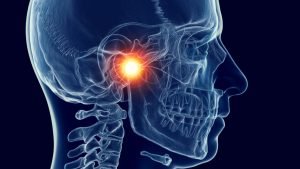


Conditions We Treat at MD Pain
Chronic pain is rarely simple, and it rarely looks the same from one person to the next. The conditions below represent the full range of what our team evaluates and treats, organized by the type of pain you are experiencing. Each condition listed links to a dedicated page with more detail on what we look for and how we approach treatment.
Spine, Back, and Neck Pain
Back pain is one of the most common conditions we treat, and one of the most disruptive, affecting everything from your ability to work to your ability to sleep.
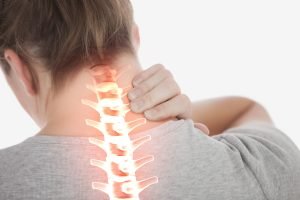
Neck pain can radiate into the shoulders, arms, and hands, making even routine tasks difficult to get through without discomfort.
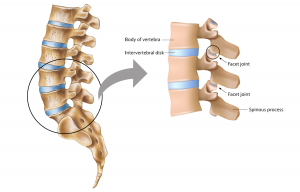
Spine pain encompasses a broad range of structural and nerve-related conditions along the vertebral column, many of which respond well to interventional treatment.
Sciatica produces sharp, radiating pain that travels from the lower back through the hip and down the leg, a condition that can make standing, sitting, and walking all feel equally impossible.
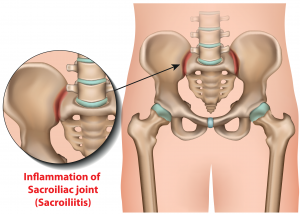
SI joint pain originates at the sacroiliac joint where the spine meets the pelvis, often causing deep, aching low back or hip pain that is difficult to pinpoint without specialized evaluation.
Facet joint pain develops in the small joints that connect the vertebrae of the spine and is a common contributor to chronic neck and back pain that other treatments haven't fully resolved.
Neurological and Widespread Pain
Fibromyalgia causes widespread musculoskeletal pain, fatigue, and heightened sensitivity throughout the body, a condition that is frequently misunderstood and undertreated, but one our team approaches with a thorough, individualized diagnostic process.
Migraines and headaches can make ordinary tasks feel overwhelming, and for patients dealing with chronic migraine episodes, the impact on daily life is significant and cumulative.
Neuropathy and nerve pain, including neuropathic pain conditions caused by nerve damage or dysfunction, often produce burning, tingling, or shooting sensations that standard pain approaches fail to address at the root level.
Joint, Abdominal, and Pelvic Pain
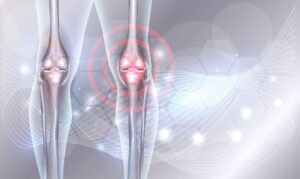
Arthritis pain, whether related to osteoarthritis, inflammatory arthritis, or joint degeneration, limits mobility and independence in ways that accumulate over time, and our team focuses on targeted interventional options that go beyond general symptom management.
Abdominal and pelvic pain are among the more complex chronic pain presentations we see, often requiring a multi-disciplinary approach to identify the specific pain source and design a treatment plan that is both effective and appropriate for the individual patient.
Our Approach: Advanced Interventional Pain Management
At MD Pain, every evaluation starts at the root cause. Rather than addressing symptoms in isolation, our physicians work to understand exactly what is driving your pain, and then build a personalized treatment plan designed around your specific condition, your body, and your life. This is what "treating the individual, not the ailment" means in practice.
The advanced interventional options our team uses include radiofrequency ablation, epidural steroid injections, facet joint injections, SI joint injections, nerve blocks, neuromodulation, and spinal cord stimulators. Which options are appropriate depends entirely on your diagnosis and what your physician determines after a thorough evaluation. These are minimally invasive, targeted interventions focused on reducing pain at the source, not on masking it indefinitely. Our commitment to non-narcotic care reflects our belief that patients deserve solutions built around getting them back to the joy of living, not a cycle of dependency.
For a full overview of what we offer, see our advanced pain treatments page.
Why Patients Near You in Denver & Colorado Springs Choose MD Pain
Patients traveling from across the Front Range, including Englewood, Highlands Ranch, Centennial, Aurora, and Castle Rock, consistently tell us the same things. They came because they wanted a specialist committed to effective treatment. They stayed because they found one.
Our team of board-certified anesthesiologists and pain management physicians brings specialized training in identifying the precise source of chronic pain and in performing the targeted interventional procedures that general practitioners cannot offer. That combination of diagnostic precision and advanced interventional technique is what sets MD Pain apart from a standard clinical environment.
Patients who felt dismissed elsewhere describe leaving our office feeling hope for the first time. Others, who came in unable to manage basic daily activities, have told us they were able to return to hiking the Colorado mountains after treatment. Those outcomes are never guaranteed, but they reflect what becomes possible when care is built around the individual.
Our non-narcotic philosophy is a commitment to a higher standard of care, one that our patients explicitly seek out, not a limitation. Patients come to us because they want a thoughtful, effective plan that does not begin with narcotics. We share that standard.
Frequently Asked Questions
What types of pain conditions do interventional pain management doctors treat?
Interventional pain management specialists treat a broad range of chronic and complex pain conditions, including back pain, neck pain, spine and sciatica conditions, fibromyalgia, migraines and headaches, arthritis, neuropathy and nerve pain, SI joint and facet joint pain, and abdominal and pelvic pain. The goal is to identify the root cause of your pain through careful diagnostic evaluation and design a personalized treatment plan, not to provide temporary relief that fades and leaves the underlying problem unaddressed. MD Pain takes this root-cause approach with every patient, regardless of how long they have been in pain or what treatments they have previously tried.
What is the difference between a pain management doctor and a primary care doctor for chronic pain?
Interventional pain management physicians have advanced, specialized training in diagnosing the specific source of chronic pain and in performing targeted procedures such as epidural steroid injections, radiofrequency ablation, nerve blocks, and neuromodulation that go beyond what primary care can provide. They are not a replacement for your primary care provider, but a specialist resource for pain that hasn't responded to general treatment approaches. At MD Pain, our team of board-certified anesthesiologists and pain management physicians brings that level of focused expertise to every patient evaluation, using groundbreaking technology designed to address pain directly at the source.
How quickly can I expect results from pain management treatment?
The timeline depends on your specific condition and the treatment approach your physician recommends after a thorough evaluation. MD Pain's goal is to help patients experience noticeable pain reduction as quickly as possible, and in some cases patients report improvement within hours or days of certain interventional procedures. Our team designs each treatment plan to move you toward meaningful relief so that getting back to the joy of living is a realistic, near-term goal rather than a distant one.
Does MD Pain treat fibromyalgia and other widespread chronic pain conditions?
Yes. MD Pain treats fibromyalgia and other widespread chronic pain conditions as part of its multi-disciplinary, root-cause approach to care. If you have been living with diffuse or difficult-to-diagnose pain that hasn't responded to standard treatments, our physicians will take the time to understand the full picture of your condition before recommending any interventional options. MD Pain's commitment is to every patient as an individual, which means no assumption that what worked for someone else will work for you, and no shortcuts that substitute a temporary fix for a real solution.
Does MD Pain treat pain near me if I live outside Denver or Colorado Springs?
MD Pain serves patients from across the broader Front Range, including communities throughout the Denver metro area such as Aurora, Littleton, Highlands Ranch, Centennial, and Castle Rock, as well as patients traveling from Monument, Pueblo, and surrounding Colorado Springs communities. With two convenient office locations, one in Englewood and one in Colorado Springs, our team is positioned to serve patients who need access to specialist-level interventional pain care without traveling to a major academic medical center.