
Denver Occipital Nerve Block
An occipital nerve block is an important therapy used to treat acute and chronic headache pain, most often caused by occipital neuralgia and trigeminal autonomic cephalalgias.
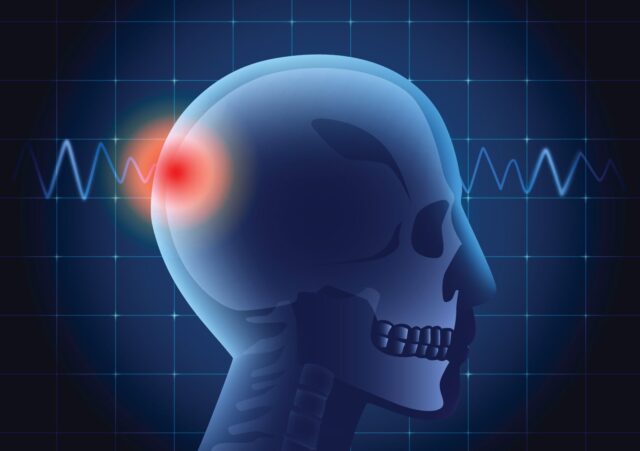
Occipital neuralgia is characterized by pain or throbbing in the occipital region (back of the head) and radiates along the course of the occipital nerves. The cause of occipital neuralgia is uncertain, though it may be related to an injury or impact of the head. Headaches caused by occipital neuralgia are often confused with migraines because symptoms are similar.
Trigeminal autonomic cephalalgias are a group of headache disorders, typically characterized by severe pain on one side of the head. Symptoms include sweating, tearing up and a runny nose on the affected side.
How Occipital Nerve Blocks Help Manage Headache Pain in Denver
Occipital nerve blocks are commonly used at MD Pain to help address headache pain that originates from irritation or inflammation of the occipital nerves. These nerves run through the back of the head and can contribute to discomfort that radiates upward into the scalp or behind the eyes. In many cases, patients in the Denver area seek this treatment when headache symptoms have not improved with other conservative approaches.
At MD Pain, this procedure is often considered for patients experiencing conditions such as occipital neuralgia or other headache disorders that involve nerve related pain patterns. The goal is to reduce nerve signaling that contributes to pain while also helping clarify the underlying source of symptoms.
Patients may benefit from evaluation when:
- Head pain begins at the base of the skull and radiates upward
- Symptoms resemble migraine but do not fully respond to typical migraine care
- Pain is linked to nerve sensitivity in the back of the head
What Happens During an Occipital Nerve Block at MD Pain
At MD Pain, the procedure begins with careful identification of the treatment area at the base of the skull. A local anesthetic is applied to help ensure comfort before the injection is performed. The provider then administers medication near the occipital nerve to help reduce inflammation and interrupt pain signals.
The process is typically completed in a short visit, and patients are monitored briefly afterward before returning home the same day. MD Pain provides clear post procedure instructions so patients know how to care for the injection site and what to expect in the hours following treatment.
Occipital Nerve Block Treatment Goals and Headache Relief in Denver
At MD Pain, the primary goal of an occipital nerve block is to reduce headache pain by calming irritated nerves in the back of the head. This approach may also help distinguish nerve related headache sources from other types of head pain, supporting more targeted long term care planning.
With experience treating patients across the Denver and Colorado Springs areas, MD Pain focuses on delivering precise, minimally invasive interventions that support both symptom relief and diagnostic clarity. Each treatment is evaluated based on how the patient responds so that future care can be adjusted appropriately.
When appropriate, MD Pain may incorporate occipital nerve blocks into a broader headache management plan designed to improve comfort, function, and quality of life over time.
Occipital Nerve Block Questions and Answers
At MD Pain, an occipital nerve block is used when headache pain has not improved with other treatment options. The procedure works by targeting the occipital nerves to help reduce or interrupt pain signals traveling to the brain. A combination of anesthetic and anti-inflammatory medication is typically used, which can help reduce irritation in the area where the nerve crosses the skull and support meaningful symptom relief.
At MD Pain, a local anesthetic is first applied to help numb the skin and improve comfort during the injection. The provider then identifies the treatment area near the base of the skull, behind the ear, where the occipital nerve is located. Medication is carefully injected in this area to help reduce pain and inflammation, and the process is completed in a short visit.
Recovery at MD Pain is typically quick, with most patients experiencing only mild soreness at the injection site. Many individuals are able to return to normal activities shortly after the procedure. Clear discharge instructions are provided so patients know how to care for the area and when to reach out if any new or ongoing symptoms occur.
At MD Pain, some patients notice improvement right away due to the anesthetic used during the procedure. For others, full relief may develop gradually over the next 24 to 48 hours as inflammation decreases. The duration of relief can vary, and some patients experience benefits that last for several weeks depending on their condition and response to treatment.