
Denver Medial Branch Block and Facet Joint Injection
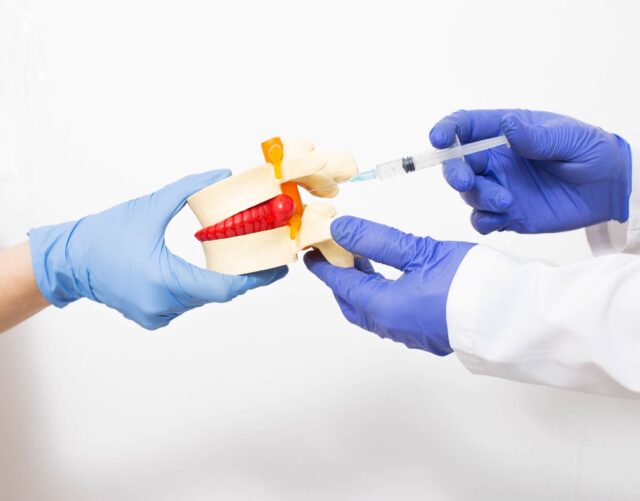
Because there are many causes of spinal pain, doctors rely on diagnostic tests to try to pinpoint the source of pain. After a thorough examination, your doctor may determine your pain is caused by the facet joints in your spine. Facet joints are located between each of the vertebrae in the spine; and their function is to help the spine move correctly. Over time, you may develop facet arthritis, which causes inflammation and consequently, spinal pain.
The diagnostic procedures used to confirm inflammation of your facet joints are medial branch blocks and facet injections. The medications used in these injections are anesthetics and steroids, which reduce pain and inflammation. While similar in most ways, the key difference between a medical branch block and a facet joint injection is the location of the actual injection. When administering a medial branch block, your doctor injects medication near the nerve that delivers pain signals from the facet joints to the brain, which is called the medial branch nerve. During a facet injection, your doctor injects medication directly into a facet joint.
Who Is a Good Candidate for Medial Branch Block and Facet Joint Injections
Patients who continue to experience localized neck or back pain that has not improved with conservative care may be considered for these diagnostic and therapeutic injections. This is especially common in individuals with suspected facet joint irritation, arthritis related changes, or pain that worsens with twisting, bending, or extension of the spine. At MD Pain, evaluation is always based on a detailed assessment to ensure the source of discomfort is properly identified before proceeding with treatment.
In many cases, these procedures are also recommended when imaging alone does not clearly explain the severity of symptoms. By targeting the medial branch nerves or facet joints directly, MD Pain can help confirm whether these structures are contributing to the pain pattern. This approach helps guide more precise next steps in care.
Recovery Timeline and What Patients in Denver Can Expect
After the procedure, most patients are able to return home the same day and resume light activities within a short period of time. Some soreness at the injection site can occur, but it typically improves quickly as the numbing medication wears off. MD Pain provides clear post procedure guidance so patients feel confident managing the first 24 hours after treatment.
Patients in the Denver area often notice temporary improvement within hours due to the anesthetic, which can also help the care team evaluate pain relief response. This information is important in determining if the facet joints are the true source of discomfort and whether additional treatment may be beneficial. Many individuals appreciate that this process is both diagnostic and therapeutic, offering insight and relief at the same time.
Typical recovery experience may include:
- Mild localized tenderness at the injection site
- Temporary increase in activity comfort during the anesthetic phase
- Return to normal routines within one to two days depending on individual response
How Results Are Evaluated After the Procedure
Following the injection, MD Pain carefully reviews how your pain levels change during the hours and days afterward. This response helps determine whether the medial branch nerves or facet joints are contributing to symptoms. In some cases, additional diagnostic blocks may be recommended to confirm findings before moving forward with longer lasting treatment options.
Patients are encouraged to track their pain levels, activity tolerance, and any improvements in movement. This feedback is a key part of building a personalized treatment plan that aligns with long term relief goals.
Long Term Treatment Planning After Diagnostic Relief
If significant relief is achieved from the medial branch block, MD Pain may discuss additional options that target longer term symptom control. These may include repeat diagnostic confirmation or other minimally invasive procedures designed to extend relief and improve daily function. The goal is always to create a clear path forward based on how the body responds to the initial injection.
With years of experience serving patients across Denver and surrounding communities, MD Pain focuses on identifying the most accurate source of pain before recommending ongoing care.
Download our printable information sheet.

Medial Branch Block and Facet Joint Injection Q & A
At MD Pain, these injections are used to help reduce spinal pain while also identifying where the pain is coming from. They work by interrupting pain signals traveling from the facet joints through the medial branch nerves to the brain. When inflammation in the facet joints is the source of discomfort, patients may notice meaningful relief that also helps guide next steps in treatment.
At MD Pain, patients are welcomed by a healthcare professional who reviews medical history and answers any questions before the procedure begins. The treatment area is carefully cleaned and numbed to help ensure comfort throughout the process. A small injection is then placed either into the facet joint or near the medial branch nerve using medication designed to reduce pain and inflammation.
At MD Pain, the decision is made after a thorough evaluation of your symptoms, physical examination, and medical history. These injections are typically considered when facet joint pain is suspected but needs confirmation. The goal is to identify the exact pain source so treatment can be more targeted and effective.
MD Pain explains that relief can vary depending on whether anesthetic or steroid medication is used and how your body responds. Some patients experience short term relief lasting hours, while others may notice extended improvement for several days or longer. The diagnostic response is often just as important as the duration of relief.
MD Pain performs these injections using precise imaging guidance to ensure accuracy and safety. Most patients tolerate the procedure very well with minimal side effects. Any potential risks are reviewed in advance so patients feel fully informed before treatment.
MD Pain typically recommends taking it easy for the rest of the day after the procedure. Strenuous activity should be avoided temporarily so the body can respond appropriately to the medication. Most patients can return to normal routines the following day based on how they feel.
MD Pain notes that some patients may require more than one diagnostic block to confirm the source of pain. This helps ensure accuracy before moving forward with longer term treatment options. Each care plan is individualized based on response and symptom patterns.
Many patients treated at MD Pain are able to return to work within one to two days depending on job activity level. Those with more physically demanding roles may need a slightly longer adjustment period. Your provider will give specific recommendations based on your situation.