
Denver Lumbar Sympathetic Block
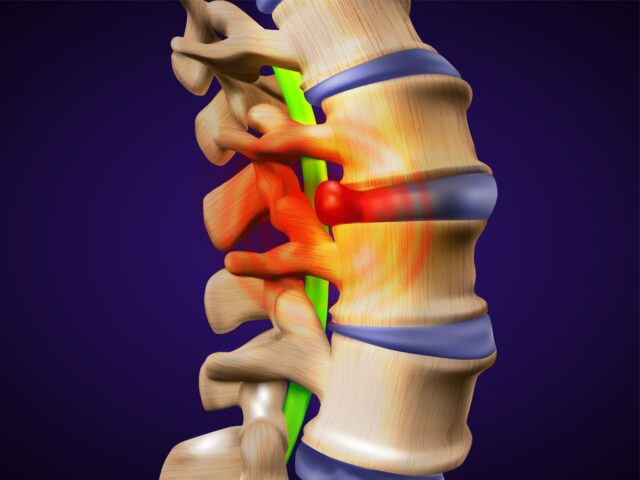
A Lumbar Sympathetic block is an injection of numbing medicine to the sympathetic nerves that go down your legs. The injection is in the low back outside of your spinal cord. Chronic lower body discomfort can interfere with daily life, and MD Pain offers targeted care through lumbar sympathetic block to help address persistent nerve related symptoms. Our experienced pain management specialists focus on identifying the root of chronic pain and creating a treatment plan that supports lasting relief and improved mobility.
A lumbar sympathetic block is a specialized outpatient procedure designed to interrupt pain signals traveling through the sympathetic nervous system. By placing a needle at the precise injection site along the lumbar sympathetic chain, our physicians use local anesthetic and contrast dye under fluoroscopy to guide accurate delivery and improve outcomes.
Lumbar Sympathetic Block Treatment
This treatment is often recommended for conditions such as complex regional pain syndrome and reflex sympathetic dystrophy, especially when symptoms affect the lower extremities like the legs or feet. As a result, many patients notice improved blood flow, reduced inflammation, and a meaningful decrease in discomfort within hours of the procedure.
MD Pain has served the Denver Metro and Colorado Springs area for years, bringing trusted experience and a deep understanding of the spine, nerves, and how pain signals move through the body. Our team evaluates your full medical history to ensure that lumbar sympathetic block and other nerve blocks are appropriate for your needs.
How Lumbar Sympathetic Nerve Blocks Support Pain Relief
By targeting the sympathetic nerves that influence the autonomic nervous system, this treatment helps reduce pain and restore function. Many patients dealing with chronic leg pain or swelling benefit from the calming effect on the sympathetic nervous system, which can help regulate blood pressure and decrease abnormal nerve activity.
During the procedure, you will lie on an x-ray table while the doctor carefully inserts a needle and administers medication. Some people feel pressure or temporary numbness, though most patients tolerate the process comfortably and return home the same day.
Benefits of this treatment include:
- Reduced pain signals and improved comfort
- Better blood flow to affected areas
- Increased mobility and function in the lower body
While the procedure is generally safe, it is important to understand potential risks:
- Temporary numbness or weakness
- Mild soreness or swelling at the injection site
- Rare risks such as infection, bleeding, or allergic reaction
MD Pain combines this treatment with other options like spinal cord stimulation when appropriate, helping patients achieve long lasting results through a comprehensive plan.
Lumbar Sympathetic Block Q & A
The Lumbar Sympathetic block numbs the sympathetic nerves of the legs. This may help reduce pain, swelling, color and sweating changes. This injection is utilized to help treat CRPS (complex regional pain syndrome) RSD (reflex sympathetic dystrophy) or any type of sympathetically mediated pain of the lower extremities.
The actual injection only takes a few minutes. You can expect to be in the procedure room for about 15 minutes for positioning, placing monitors, preparation, and the procedure.
A local anesthetic (numbing medicine) is injected. There may be one or two other types of medicine added to help prolong the block.
Most patients tolerate the injection very well. Numbing medicine is placed under the skin that feels like a poke and a burn. After that, you most likely will only feel pressure. If you feel any pain during the injection, more numbing medicine can be given. If you choose, you may have intravenous sedation to help you relax.
You will be lying on your stomach on an x-ray table. We will monitor your blood pressure, heart rhythm, and blood oxygen. Your skin will be cleansed with an antiseptic. After the injection, you will be placed on a bed and moved to the recovery area.
No. The safest way to do this procedure is under local anesthesia. You may choose to have intravenous sedation, which will help you relax, but you will always be awake during the procedure to minimize the chance of any nerve damage.
After the injection, you may notice that your pain has lessened. Your leg may start to feel warm or may start to appear red. You may notice some changes in sweating or sensation.
You will always have someone to drive you the day of the injection. Some of the patients may go for immediate physical therapy. Otherwise, you will perform activity as tolerated.
You should be able to return to work the next day unless otherwise directed by your physician. Some patients will feel soreness in the back at the injection site.
The numbing medicine will wear off after several hours. The block of the sympathetic nerves may last much longer than that. A series of injections is usually required for treatment with a progressive increase in relief with each injection.
Usually a series of injections will be needed for treatment if you respond to the first injection. You should be obtaining progressive benefit from the injections as well as physical therapy. Some patients may require over 10 injections where others will require fewer.
Overall, the procedure is very safe. As with any procedure, there are risks. The most common side effect is pain, which is temporary. Any time a needle is punctured through the skin, there is a chance of bleeding or infection that is very rare. Other rare side effects include spinal headache, nerve damage, worsening of pain, etc., which are extremely unlikely.
If you are allergic to specific local anesthetics or ionic contrast, please notify your physician. Also, if you are taking any blood thinners (Coumadin, Plavix, Warfarin, Lovenox, Aspirin, etc,) please let your physician know ahead of time to help devise a safe plan for the injection.