
TMJ Specialist Denver
If you are experiencing jaw pain, facial discomfort, or difficulty chewing, you may be dealing with a TMJ disorder. TMJ (temporomandibular joint) problems can cause headaches, chronic teeth grinding, and jaw stiffness, significantly affecting your quality of life. Studies show that nearly 31% of adults experience at least one TMJ symptom, making it a common concern for many Denver residents.
If these TMJ symptoms in Denver sound familiar, MD Pain can help. Our experienced TMJ specialists in Denver, provide advanced TMJ treatment designed to relieve pain, restore jaw function, and help you enjoy everyday activities without discomfort.
What Are TMJ Disorders?
Temporomandibular joint disorders, also called temporomandibular disorders (TMD), are a family of conditions that affect your temporomandibular joints, jaw muscles, and ligaments.
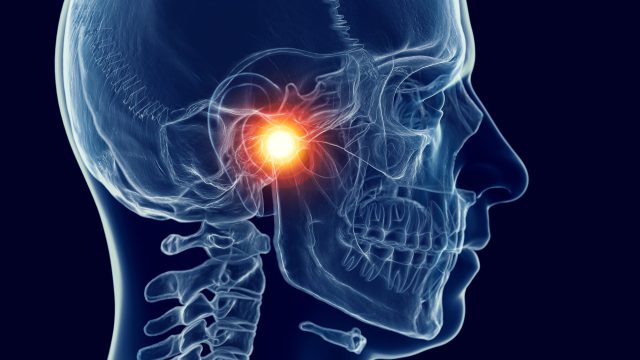
You have two TMJs on both sides of your face, located right in front of your ears. These joints connect your lower jawbone to your skull. Without them, you’d have a lot of trouble speaking and chewing.
Doctors classify TMJ disorders into three categories:
- TMD-related headaches
- Chewing muscle disorders
- Jaw joint disorders

What Causes TMJ Disorders?
It’s difficult to point to one single cause, but TMJ and TMDs often flare up because of:
- Stress
- Teeth that don’t fit together properly (malocclusion)
- Arthritis in the jaw joint
- Clenching or grinding your teeth (bruxism)
- Jaw injuries
If you have arthritis in other joints or have ever broken or dislocated your lower jaw before, you have a higher risk of developing a TMJ disorder.
TMJ Disorder Symptoms
Are you suffering from TMJ disorders? If it hurts to talk or chew, you might be. Other symptoms of a TMJ disorder can include:
- Clicking or popping sounds when you stretch your jaw muscles
- A feeling of tightness that makes it hard for you to open your mouth fully
- Stabbing or shooting facial pain
- Earaches or a feeling of fullness in your ears
- Toothaches, but no cavities
- Chronic pain in the neck or shoulder
- Ringing or roaring in your ears (tinnitus)
Still not sure whether you have a TMJ disorder? Ask yourself these questions:
- Do you have trouble using your front teeth to chew food?
- Does your jaw or face hurt worse when you’re stressed?
- Do you wake up with jaw or facial pain?
- Do you have frequent headaches?
- Have you ever broken your jaw or injured your neck?
- Do your upper and lower teeth not touch properly when you bite down?
- Has your dentist told you that your teeth are worn down?
If you answered “yes” to any of these questions, you may have a TMJ disorder and require TMJ treatment.
TMJ Headaches and Migraines
TMJ disorders are notorious for causing tension headaches and migraines. If you frequently wake up with headaches that seem to have no other cause, it’s possible that you suffer from a TMJ disorder.
You can treat occasional TMJ-related headaches with over-the-counter pain relievers, such as aspirin and ibuprofen, but migraines are another story entirely. Migraines can be so severe that you feel nauseous, dizzy, and completely intolerant to light and sound.
Other common triggers of migraines include:
- Weather changes
- A lack of quality sleep
- Caffeine
- Alcohol
- Stress
- Hormonal changes
- Low blood sugar
- Medications you’re taking
If you suffer from unexplainable headaches or migraines, a TMJ disorder could be the cause. At MD Pain, we offer customized treatments that can ease your headaches and may even stop them entirely.
How TMJ Affects Your Jaw and Neck
TMJ disorders can create more than just jaw pain. They often affect the neck muscles, shoulders, and upper back. Misalignment of the cervical spine or chronic teeth grinding can lead to muscle spasms, tension headaches, and reduced range of motion. At MD Pain, we address these interconnected issues to restore balance, relieve pain, and promote natural healing for all TMJ patients.
Self-Care for TMJ Jaw Joint Disorders
Many people with TMJ(temporomandibular joint disorder) can alleviate some of their symptoms with basic self-care.
Try these at-home treatment tips:
- If you feel sharp pain in your jaws, apply a cold pack to the area for about 10 to 15 minutes. Ice packs can burn your skin, so keep them wrapped in a cloth to avoid minor frostbite.
- If the pain in your jaw is dull rather than sharp, soak a washcloth in hot water and hold it against the area for about 20 minutes.
- Try taking over-the-counter pain relief medication, such as ibuprofen, if your doctor says it’s safe for you to do so.
- Practice good posture by sitting upright in your chair. Many people who work desk jobs tend to slump forward in their chairs, which can trigger back, neck pain, and TMJ pain.
- Avoid grinding your teeth. A night guard can help if you grind your teeth while asleep.
- Eat soft, easy-to-chew foods to give your jaw a chance to rest. If chewing is too painful, stick with soup or puree your food in a blender.
- Avoid hard, crunchy foods or food that requires you to open your mouth wide, such as corn on the cob.
- Cut your food into small pieces to make it easier to chew.
- Avoid chewing on pens or pencils
- Never use your teeth as tools (for example, to open soda cans or rip tags off of clothing)
If these tips don't relieve your pain, schedule a consultation with us at MD Pain to get to the root cause of your pain and address it at the source to relieve pain.
Treatment for Temporomandibular Joint Disorder
If self-care doesn’t resolve your TMJ pain, other treatments are available. Non-surgical options include:
- Medication, such as pain relievers, antidepressants, and muscle relaxers
- A custom mouthguard that reduces teeth-grinding
- An anterior positioning appliance to help relieve pressure on your jaw
- Ultrasound therapy, which promotes muscle relaxation and boosts blood flow
- Trigger point injections of botulinum toxin (Botox) or corticosteroids
- Physical therapy to strengthen jaw joints
- Transcutaneous electrical nerve stimulation (TENS), which employs low electrical currents to help relax jaw muscles
If your pain is severe, a TMJ treatment specialist in Denver may suggest surgery. Options include:
- TMJ arthroscopy is also called keyhole surgery. During this procedure, a surgeon makes a small hole in front of your ear to remove scar tissue and reshape the bone.
- Open-joint surgery, which could be an option if keyhole surgery isn’t an option for you
- Arthrocentesis is a procedure in which surgeons use a needle to remove fluid from around jaw joints
How Will Your Doctor Diagnose a TMJ Disorder?
Doctors can diagnose TMJ disorders with a simple physical exam. During the exam, your doctor will:
- Press on your jaw and face to locate painful areas
- Watch the range of motion when you open your mouth
- Feel your jaw joints while you open and close your mouth
Doctors can also use several types of imaging tests to diagnose TMJ disorder. These include:
- TMJ arthroscopy
- MRI
- CT scans
- Dental X-rays
Long-Term Care for TMJ Patients
Even after immediate pain relief, TMJ disorders require ongoing care. Maintaining proper posture, avoiding teeth clenching, and performing therapeutic exercises helps prevent future flare-ups. MD Pain provides continuous support for Denver residents, ensuring long-term comfort and optimal jaw and cervical spine health.
Take Back Your Life With MD Pain
If your TMJ disorder makes it hard for you to talk or chew, you don’t need to live with the pain. Our team at MD Pain has years of experience helping patients with TMJ disorder in Denver, CO, and nearby cities.
Contact Us Today
To make an appointment with a TMJ specialist in Denver, contact us today. Our team at MD Pain is ready to provide expert TMJ treatment, relieve your jaw pain, and help you regain comfort and function. Don’t wait to get the care you need for TMJ pain in Denver. Schedule your consultation today.
TMJ Questions Patients Frequently Ask
At MD Pain, the first step is a thorough evaluation of your jaw, neck, and surrounding muscles. This helps our TMJ specialists identify the root cause of pain and create a customized treatment plan to restore mobility and accelerate healing.
Yes. TMJ disorders can trigger tension headaches, migraines, and neck discomfort due to misalignment in the cervical spine and jaw muscles. MD Pain provides targeted treatments to relieve pressure on the nervous system and promote long-term relief.
Most TMJ treatments at MD Pain are non-invasive, including mouthguards, physical therapy, TENS therapy, and ultrasound therapy. For severe cases, surgical options like arthroscopy or arthrocentesis are available when necessary.
Recovery depends on severity. Many patients notice results in a few weeks with therapeutic exercises, soft tissue therapy, and chiropractic care. Severe or chronic TMJ disorders may require longer-term care for optimal jaw function.
Yes. Posture correction, avoiding teeth grinding, eating soft foods, and stress management all support tissue repair and natural healing. MD Pain provides guidance on lifestyle adjustments to help prevent future TMJ flare-ups.