

Abdominal Pain Treatment in Denver, CO
Chronic abdominal pain is not a condition to simply endure. When persistent discomfort in your midsection disrupts your sleep, limits your movement, or makes it hard to get through a normal day, it deserves a real clinical answer, not a temporary fix. At MD Pain, our team of interventional pain specialists works to identify what is actually driving your symptoms and build a personalized, non-narcotic treatment plan designed around your specific condition and quality-of-life goals.
Understanding Chronic Abdominal Pain
Chronic abdominal pain is defined as pain in the abdominal or pelvic region that persists for three months or longer, either continuously or in recurring episodes. Unlike acute abdominal pain, which signals a sudden injury or illness, chronic abdominal pain often arises from complex, overlapping mechanisms that standard diagnostic approaches can miss or underaddress.
The abdomen contains a dense concentration of organs, nerves, and connective tissue. When any of these structures become inflamed, compressed, or dysfunctional over time, the resulting pain can be difficult to localize and even harder to treat without a targeted interventional approach. Conditions that commonly produce chronic abdominal pain include adhesions and scar tissue from prior surgeries, nerve-mediated pain syndromes, musculoskeletal dysfunction in the abdominal wall, and referred pain from the spine or sacroiliac joints.
Many patients who arrive at MD Pain have already seen multiple providers without finding lasting relief. That experience is frustratingly common. The reason is that chronic abdominal pain often requires a pain specialist's perspective, one that looks beyond the symptom and asks what structural or neurological mechanism is sustaining the cycle of discomfort.

What Causes Chronic Abdominal Pain
No two patients experience chronic abdominal pain identically, and that is precisely why a root-cause approach matters. The team at MD Pain evaluates each patient's full clinical picture before recommending any course of treatment.
Nerve-Related Abdominal Pain
The abdomen is served by a network of nerves, including the celiac plexus, the hypogastric plexus, and peripheral abdominal wall nerves. When these nerves become sensitized, compressed, or damaged, they can generate persistent pain signals even in the absence of ongoing tissue injury. This is known as neuropathic abdominal pain, and it requires a different clinical approach than pain driven by inflammation or structural damage. Interventional pain management techniques, including nerve blocks targeting specific abdominal nerve networks, are among the most effective tools available for this type of pain.
Post-Surgical Abdominal Pain and Adhesions
Abdominal surgeries, including appendectomies, hysterectomies, bowel resections, and cesarean deliveries, can leave behind adhesions, which are bands of scar tissue that form between organs and internal structures. Adhesions affect an estimated 93 percent of patients who undergo abdominal surgery. They can tether organs, restrict movement, and create significant ongoing pain that does not resolve on its own. Post-surgical abdominal pain is a well-recognized indication for interventional pain management, particularly when conservative approaches have already been attempted without success.
Abdominal Wall Pain
Abdominal wall pain is one of the most commonly missed diagnoses in chronic abdominal pain evaluation. It occurs when the muscles, fascia, or nerves of the anterior abdominal wall become a primary source of pain rather than the organs beneath. A positive Carnett's sign, where pain increases rather than decreases when the abdominal muscles are tensed, is a clinical indicator that the abdominal wall itself is the source. Trigger point injections and nerve blocks targeting specific abdominal wall nerves can provide meaningful relief when this is the underlying mechanism.
Pelvic and Visceral Pain
Chronic pelvic pain and chronic visceral pain overlap significantly with abdominal pain presentations. Conditions such as endometriosis, interstitial cystitis, irritable bowel syndrome, and pelvic floor dysfunction can all produce diffuse abdominal discomfort that is difficult to attribute to a single structure. Visceral hypersensitivity, a state in which the internal organs become abnormally sensitive to normal stimuli, is a recognized contributor to both irritable bowel syndrome and other functional abdominal pain syndromes. Interventional approaches targeting the nerve pathways that transmit visceral pain signals can reduce the overall pain burden for patients with these conditions.
How MD Pain Approaches Abdominal Pain Treatment
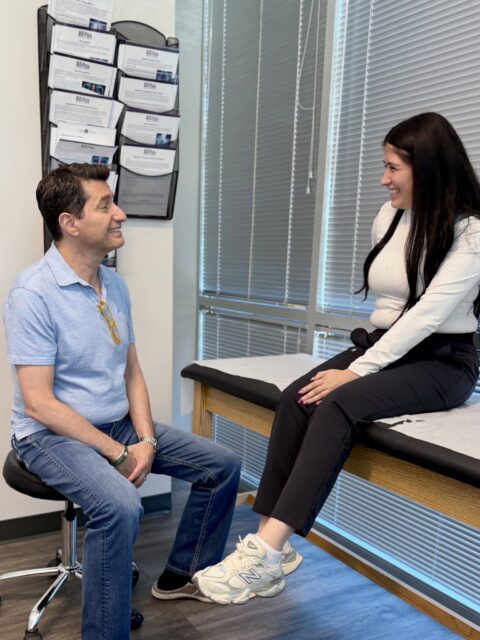
The first step is always understanding what is causing your symptoms. MD Pain does not apply a one-size-fits-all protocol to abdominal pain. Instead, our physicians conduct a thorough evaluation to map the probable source of your pain, identify any contributing factors, and determine which interventional options are most appropriate for your situation.
Our multi-disciplinary approach means that we consider musculoskeletal, neurological, and visceral factors together rather than in isolation. That integrated perspective is what allows us to develop a treatment plan that addresses the actual mechanism driving your pain, not just the surface-level symptom.
MD Pain uses advanced interventional pain management techniques alongside current clinical guidelines. The goal is meaningful, measurable pain reduction achieved without reliance on narcotic medications. Many patients report noticeable improvement in their pain levels within hours or days following targeted interventional procedures, though individual results depend on the nature and severity of the underlying condition.
Interventional Treatments for Abdominal Pain
Depending on your evaluation, your MD Pain care team may recommend one or more of the following interventional approaches.
Celiac Plexus Block
The celiac plexus is a network of nerves located in the upper abdomen that transmits pain signals from many abdominal organs, including the pancreas, liver, gallbladder, stomach, and intestines. A celiac plexus block delivers medication directly to this nerve cluster to interrupt pain signaling. It is particularly used for abdominal pain associated with chronic pancreatitis or upper abdominal visceral pain syndromes. The procedure is performed under imaging guidance to ensure precise needle placement.
Hypogastric Plexus Block
The superior hypogastric plexus is the primary nerve network transmitting pain signals from the lower abdominal and pelvic organs. A hypogastric plexus block targets this structure and is used for chronic pelvic pain, visceral pain from the bladder, uterus, ovaries, and descending colon, and other lower abdominal pain syndromes that have not responded to conventional treatment.
Trigger Point Injections
When the abdominal wall itself is identified as a pain source, trigger point injections can be highly effective. This procedure delivers a small amount of anesthetic directly into myofascial trigger points, which are hyperirritable spots within the muscle or fascia that generate local and referred pain. Trigger point injections are minimally invasive and can provide both diagnostic clarity and therapeutic relief.
Epidural Steroid Injections
For abdominal pain with a spinal origin, such as pain referred from a herniated disc or spinal nerve compression at the thoracic level, an epidural steroid injection delivers anti-inflammatory medication directly to the affected nerve root. Thoracic and thoracolumbar epidural injections are a recognized treatment for abdominal pain caused by nerve impingement originating in the mid or lower spine.
Radiofrequency Ablation
Radiofrequency ablation uses controlled heat energy delivered through a specialized needle to disrupt the nerve fibers responsible for transmitting pain signals. When abdominal pain is driven by a specific, identifiable nerve pathway, RFA can provide longer-lasting relief than injection-based approaches alone. The procedure is minimally invasive and is performed on an outpatient basis.
Neuromodulation and Spinal Cord Stimulation
For patients with severe, refractory abdominal pain that has not responded to other interventional approaches, neuromodulation offers another avenue. Spinal cord stimulation and other neuromodulation devices work by modifying pain signal transmission at the spinal cord level, reducing the intensity of pain reaching the brain. This approach is typically considered for carefully selected patients whose chronic abdominal pain has a documented neurological component and who have not achieved adequate relief through prior treatments.

What to Expect at Your MD Pain Appointment
At your initial appointment, your care team will review your complete pain history, prior diagnostic workup, and any treatments you have already tried. A focused physical examination helps identify the most likely pain generators. Based on this evaluation, your physician will discuss the interventional options that are most appropriate for your specific presentation.
Before scheduling any procedure, your team will walk you through what the process involves, how it is performed, what sensations you may notice, and how to prepare. Our team will provide you with specific preparation instructions well ahead of your procedure date.
Most interventional procedures performed at MD Pain are done on an outpatient basis, meaning you go home the same day. Recovery time varies by procedure, and your physician will give you a clear picture of what to expect in the hours and days following your appointment.
Who Can Benefit From Abdominal Pain Treatment Near You
Adults living with chronic abdominal pain who have pursued standard medical evaluation and still have not found lasting relief are often strong candidates for interventional pain management. This includes patients who have been diagnosed with a specific abdominal condition that has a known nerve-mediated component, as well as patients whose pain lacks a clear structural cause but is nonetheless significantly limiting their daily function.
MD Pain serves patients throughout the Denver metro area and Colorado Springs who are searching for a non-narcotic, root-cause alternative to managing persistent abdominal pain. MD Pain accepts new patients with and without a referral from a primary care or specialist physician, though patients are encouraged to check with their insurance provider regarding prior authorization requirements and coverage, since individual policies vary.



Frequently Asked Questions
Yes, interventional pain management is a well-established approach for many forms of chronic abdominal pain, particularly those with a nerve-mediated or visceral component. At MD Pain, our physicians evaluate the specific mechanism driving each patient's pain before recommending any procedure, which is why a thorough initial consultation is so important. Patients who have already exhausted conservative options and standard medical treatments are often the best candidates for the targeted interventional approaches we offer.
If your abdominal pain has persisted for three months or longer, has been evaluated by other providers without a clear explanation or lasting solution, or is significantly affecting your quality of life, a pain specialist consultation is a reasonable and often important next step. MD Pain specializes in conditions where standard approaches have not provided adequate relief, and our team is equipped to evaluate whether an interventional approach is appropriate for your situation. You do not need to be at the end of your options to benefit from a specialist's perspective.
MD Pain accepts new patients directly, so a formal referral from another physician is not required to schedule an appointment. However, your individual insurance plan may have its own prior authorization requirements or referral requirements for specialist visits, so it is worth checking with your insurer before your appointment to understand your coverage. Our team can help guide you through the intake process once you reach out.
Most of the interventional procedures used at MD Pain are minimally invasive and do not involve open surgery. Procedures such as nerve blocks, trigger point injections, radiofrequency ablation, and epidural steroid injections are performed using image guidance and specialized needles, and most are done on an outpatient basis, meaning you return home the same day. Your physician will explain exactly what your recommended procedure involves during your consultation so you have a complete picture before any decision is made.
MD Pain is committed to effective, non-narcotic care for every patient we treat. Our physicians believe that the goal of pain management is to address the actual source of your pain using targeted interventional techniques, not to mask symptoms with opioid medications. This philosophy is not a limitation of what we offer but a reflection of what we believe is the highest standard of care for chronic pain patients. Many patients specifically seek out MD Pain because they are looking for a practice that takes this approach seriously.
Your care team at MD Pain will give you specific preparation instructions based on the procedure that has been recommended for you, since requirements vary by procedure type. In general, you should let your team know about all medications you are currently taking, including blood thinners and anti-inflammatory medications, as some may need to be paused before your appointment. If your procedure involves anesthesia or sedation, you must arrange for a driver in advance, as you will not be permitted to drive yourself home.