
 Denver Lumbar Facet Syndrome Specialists
 Denver Lumbar Facet Syndrome Specialists
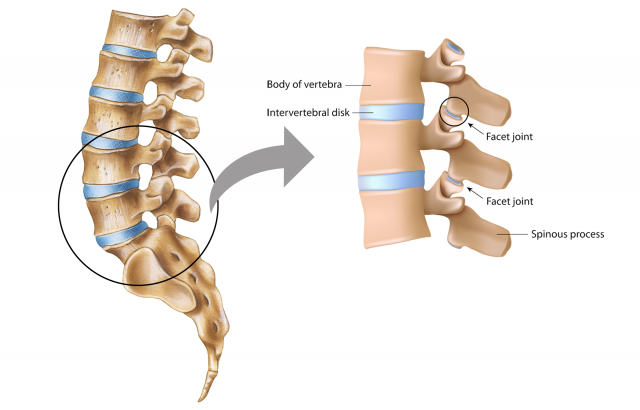
MD Pain specializes in diagnosing and treating lumbar facet syndrome in Denver. Lumbar facet syndrome is a common cause of low back pain that originates from the facet joints, also called zygapophyseal joints, which connect adjacent vertebral levels and facilitate truncal movement. Chronic wear and tear, microtrauma, systemic arthritis, or synovial cysts can all contribute to facet arthrosis, leading to pain that affects daily life.
With years of experience and advanced interventional techniques, MD Pain provides accurate diagnosis and effective treatment options to alleviate discomfort and improve mobility.
Understanding Lumbar Facet Syndrome
Lumbar facet syndrome is low back pain emanating from the facets, also called zygapophyseal joints. These are synovial joints with an articular surface, synovial membrane and fibrous capsule connecting adjacent vertebral levels. They articulate and facilitate truncal movements. Furthermore, each facet joint receives innervation from 2 medial branch nerves, which are branches off the dorsal root of the spinal nerve. Facet arthrosis can develop over time as normal wear and tear but is increased with activity which puts stress on these joints. Other associated causes include systemic inflammatory arthritis, synovial cysts, and microtrauma. It has been reported that the presence of lumbar facet syndrome in patients with chronic low back pain can range from 15%-45%, increasing in prevalence with age.
Contact Us
Diagnosis
Typical features include unilateral or bilateral low back pain which can be referred to the groin, hips, or thighs. Pain infrequently radiates below the knees. It is exacerbated by twisting, back, extension, and prolonged standing and can be relieved with supported flexion or rest. Patients often have tenderness along the facet joints in the low back. Although no imaging findings reliably predicts the facet joints a source of pain, often patients will have lumbar spondylosis and facet arthrosis noted on lumbar XRs and/or MRI. Diagnostic nerve blocks can also be very helpful in the diagnosis.
Treatment
If lumbar facet syndrome is suspected and patients have not responded to typical conservative treatments such as NSAIDS and physical therapy, either facet joint injections or medical branch blocks can provide both diagnostic and therapeutic relief. Furthermore, if the patient responds to diagnostic medial branch injections, lumbar facet radiofrequency ablation is a common interventional option that can provide from 6 months to greater than 1 year of relief.
Quick Tips for Lumbar Facet Relief
While professional care is critical, certain lifestyle and self-care measures can support long-term relief from lumbar facet pain:
- Practice Proper Posture: Avoid prolonged standing or twisting movements that aggravate the facet joints.
- Use Supportive Seating: Chairs with lumbar support can reduce stress on the lower back.
- Regular Core Strengthening Exercises: Gentle exercises can stabilize the spine and decrease strain on facet joints.
- Apply Heat or Cold Therapy: Heat can relax tight muscles, while cold therapy can reduce inflammation and pain.
- Maintain a Healthy Weight: Reducing excess stress on the spine can prevent progression of facet arthrosis.
- Monitor Symptoms: Track pain patterns and triggers, and report changes to your MD Pain specialist for timely adjustments to your treatment plan.
References:
Benzon HT et al. 2014. Practical Management of Pain. 5th Edition. Elsevier. Philadelphia, PA.
Romain P et al. Facet joint syndrome: from diagnosis to interventional management. Insights Imaging. 2018 Oct;9(5): 773-789.
Common Questions About Lumbar Facet Syndrome
Lumbar facet syndrome results from degeneration or inflammation of the facet joints, which can occur from normal aging, microtrauma, repetitive stress, or systemic arthritis. MD Pain evaluates each patient’s spine carefully and uses diagnostic nerve blocks to confirm the source of pain.
Diagnosis begins with a thorough physical exam to identify tenderness along the facet joints. Imaging studies like X-rays or MRI may show facet arthrosis, and medial branch nerve blocks can provide both confirmation and pain relief. MD Pain ensures accurate diagnosis before recommending treatment.
Conservative treatments include NSAIDs, activity modification, and physical therapy. For persistent pain, facet joint injections or medial branch blocks can provide targeted relief. MD Pain creates a comprehensive plan based on individual patient needs.
Radiofrequency ablation is considered when patients experience significant relief from diagnostic medial branch injections. This procedure disrupts the pain signals from the affected nerves and can provide relief for six months to over a year. MD Pain’s specialists tailor this approach to ensure long-term benefits.
Yes, pain may radiate to the groin, hips, or thighs, but rarely extends below the knees. MD Pain evaluates the full scope of symptoms to provide precise, targeted relief and prevent further complications.
Recovery time depends on the treatment approach and the patient’s overall health. MD Pain provides personalized guidance on activity levels, exercises, and follow-up care to ensure safe and effective recovery.