
Neck Pain Treatment Denver
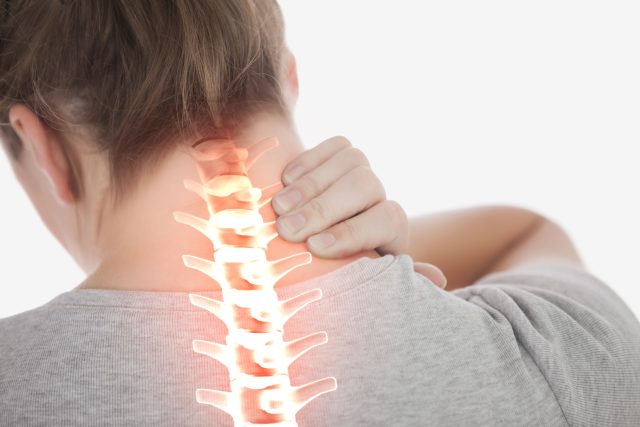
Neck pain affects far more than your neck. It can limit your range of motion, send pain and numbness down your arms, interfere with sleep, and make ordinary tasks feel like a struggle. At MD Pain, our team of pain management specialists serves patients across the Denver metro area and Colorado Springs with interventional, non-narcotic care designed to address what is driving your symptoms, not just quiet them for a while.
Why Neck Pain Is So Common and So Disruptive
The cervical spine supports the full weight of your head, which averages 10 to 12 pounds, while allowing a wider range of motion than almost any other part of the spine. That combination of load and mobility makes the neck especially vulnerable to injury, degeneration, and chronic pain. For many patients in the Denver area, symptoms start gradually and worsen over weeks or months before they seek professional care.
Left unaddressed, neck pain can become a more complex problem. Nerve compression in the cervical spine can produce radiating pain, tingling, or weakness that extends into the shoulders, arms, and hands. When neck pain begins to affect your ability to work, sleep, or move freely through your day, that is a signal to consult a specialist.
Conditions That Cause Neck Pain
Understanding what is generating your pain is the first step toward effective treatment. The team at MD Pain evaluates each patient individually to identify the specific source of their symptoms before recommending any course of care. Common causes of neck pain include:
- Muscle strain from poor posture, prolonged screen use, or sleeping in an awkward position
- Whiplash injury from a motor vehicle accident
- Herniated or bulging cervical discs
- Facet joint arthritis or bone spurs that narrow the spinal canal
- Pinched nerves caused by disc degeneration or spinal stenosis
- Muscle spasms
- Rheumatoid arthritis and other inflammatory conditions
- Infection or other systemic conditions affecting the cervical spine
Acute neck pain, defined as pain that develops suddenly and resolves within a few days to several weeks, is typically rooted in soft tissue injury involving muscles, ligaments, or discs. Chronic neck pain, defined as pain persisting for more than three months, often involves a more complex mix of factors including nerve damage, tissue scarring, arthritis, or the cumulative effects of long-standing postural stress.

How MD Pain Diagnoses Neck Pain
Accurate diagnosis guides everything. Before any treatment begins, our physicians take a thorough medical history, perform a physical examination, and use diagnostic tools appropriate to your presentation. Depending on your symptoms, evaluation may include:
- X-rays to assess bone alignment and joint changes
- CT scans for detailed views of the cervical vertebrae
- Nerve conduction studies to evaluate how signals are traveling through the affected nerves
- Bone scans when indicated for complex or atypical presentations
Neck pain can occasionally be a sign of a serious underlying condition such as peripheral neuropathy or other systemic disease, which is why a thorough evaluation by an experienced pain management physician matters. The goal of diagnosis at MD Pain is to find the root of the problem so that treatment targets the actual cause.
Neck Pain Treatment Options at MD Pain
MD Pain offers a range of interventional and supportive treatments, tailored to each patient's diagnosis, activity level, and personal health goals. Our physicians use minimally invasive and non-invasive procedures supported by the latest clinical technology. Treatment options may include:
- Chiropractic adjustments
- Physical therapy
- Pain medications
- Anti-inflammatory medications
- Acupuncture
- Cortisone shots
- Transcutaneous electrical nerve stimulation (TENS)
- Soft Collar
- Neck surgery (if necessary)
Our approach combines multiple strategies rather than relying on any single technique. Patients in the Denver area have found lasting improvement through plans that pair targeted procedures with lifestyle guidance and ongoing monitoring.

Acute vs. Chronic Neck Pain: Different Problems, Different Plans
Acute neck pain typically responds well to a structured short-term plan. Physical therapy, rest, targeted injections, and non-narcotic anti-inflammatory support can allow the injury to heal while keeping function intact. Most patients with acute cervical strain or whiplash see meaningful improvement within several weeks when the right plan is in place early.
Chronic neck pain requires a different approach. When symptoms have persisted for more than three months, the underlying drivers are often more layered, and the treatment plan needs to reflect that complexity. MD Pain specializes in identifying and treating the specific contributors to chronic symptoms, whether that is arthritis in the facet joints, nerve damage, degenerative disc disease, or a combination of factors. The goal is always the same: lasting relief that allows patients to return to the activities and quality of life they value.
Personalized Cervical Spine Care Near You
Patients searching for neck pain treatment near me in the Denver area and Colorado Springs will find that MD Pain's multidisciplinary approach covers the full spectrum of cervical spine care. Our physicians work collaboratively with each patient, tracking progress over time and adjusting the treatment plan based on how that patient is responding. This is treating the individual, not the ailment.
Because the neck connects so directly to the arms and upper body, a problem in the cervical spine can produce symptoms well beyond the neck itself. Patients who come to us with arm numbness, persistent headaches, or shoulder pain often find that the source is cervical in origin. Identifying that connection is part of what our diagnostic process is designed to do.








Frequently Asked Questions
Chronic neck pain, meaning pain lasting more than three months, usually involves a structural or neurological problem that goes beyond simple muscle soreness. Common underlying causes include herniated cervical discs, arthritis in the facet joints, bone spurs narrowing the spinal canal, and nerve damage from long-standing compression. At MD Pain, our physicians perform a thorough evaluation to identify the specific source of your symptoms before recommending any treatment. Finding the root cause is what allows us to build a plan that addresses the problem rather than temporarily suppressing the pain.
Yes, neck conditions that compress or irritate cervical nerve roots can produce radiating pain, numbness, or tingling that travels into the shoulders, arms, and hands. This is called cervical radiculopathy, and it is one of the more common presentations our team evaluates. MD Pain uses diagnostic nerve blocks and imaging studies to pinpoint which nerve root is involved and where along its path the compression is occurring. Identifying the exact source allows us to direct treatment precisely rather than treating the entire neck region broadly.
MD Pain offers a broad range of non-narcotic, interventional treatments for neck pain, including nerve blocks, epidural steroid injections, facet joint injections, platelet-rich plasma therapy, percutaneous discectomy, radiofrequency ablation, and stellate ganglion block. Our physicians also coordinate physical therapy, movement rehabilitation, and anti-inflammatory support as part of a comprehensive plan. The specific combination we recommend depends on your diagnosis, how long you have had symptoms, and your overall health and activity goals. Every treatment plan at MD Pain is built around the individual patient.
MD Pain accepts patients who reach out directly, but whether your visit is covered by insurance without a referral depends on your specific insurance plan and its prior authorization requirements. Some plans require a referral from a primary care physician before covering specialist visits, while others do not. We recommend contacting your insurance provider before scheduling to confirm your coverage terms. Our team can assist with insurance verification once you reach out to the practice.
Acute neck pain develops suddenly, usually from a specific injury or event such as a car accident or sleeping in an awkward position, and typically resolves within a few days to several weeks with appropriate care. Chronic neck pain persists for more than three months and often involves a combination of structural changes, nerve involvement, and tissue damage that requires more targeted evaluation and treatment. MD Pain distinguishes between these two presentations from the very first appointment, because the diagnostic approach and treatment plan differ significantly. Patients with chronic symptoms benefit from interventional procedures and longer-term management strategies rather than short-term rest and anti-inflammatories alone.
A stellate ganglion block is an injection of anesthetic medication into the stellate ganglion, a nerve cluster located at the front of the neck on either side of the trachea and esophagus. The procedure is performed on one side at a time and is used to treat pain in the head, neck, upper arm, and upper chest. MD Pain uses stellate ganglion blocks for conditions including complex regional pain syndrome, reflex sympathetic dystrophy, shingles-related nerve pain, and phantom limb pain. It is one of several targeted interventional procedures our team uses when standard approaches have not provided adequate relief.
Your first appointment at MD Pain begins with a comprehensive review of your medical history, a physical examination, and a detailed conversation about your symptoms, how long they have been present, and how they affect your daily life. Our physicians may recommend imaging studies or diagnostic injections as part of the initial evaluation depending on your presentation. From there, the team works with you to develop an individualized treatment plan that reflects your specific diagnosis, your goals, and the level of intervention appropriate for your situation. The focus from the first visit is on understanding what is causing your pain so treatment can be directed at the actual source.