
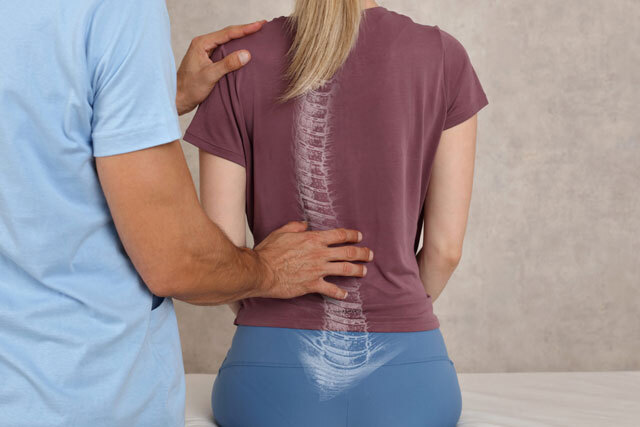
Denver Scoliosis Treatment
Did you know that scoliosis affects up to 3% of the population? This means that nearly 9 million people in the U.S. have been diagnosed with this spinal condition. Denver residents dealing with scoliosis can face challenges ranging from mild discomfort to significant pain and mobility issues.
Depending on the severity of scoliosis, different treatment options may be recommended. At MD Pain, we take an individualized approach to help patients in Denver manage scoliosis pain and improve spinal alignment whenever possible. Contact us to learn how MD Pain can help correct or treat scoliosis.
What Is Scoliosis?
Scoliosis is characterized by an irregular curvature in the spine. This curve can be either S-shaped or C-shaped. Though most cases of scoliosis are diagnosed in children and adolescents, often the cause of the condition is unknown. In fact, this is true in 80% of cases, referred to as idiopathic scoliosis. Idiopathic scoliosis is simply another word for unknown or spontaneous.
For those seeking alternatives to traditional scoliosis treatment in Denver, MD Pain offers advanced, non-surgical options that focus on improving quality of life without the need for spinal fusion or other invasive procedures. Our approach to treating scoliosis centers on minimally invasive techniques that target the underlying issues of spine curvature, helping to alleviate pain and improve mobility. By utilizing cutting-edge technology and personalized treatment plans, we aim to address the curvature of the spine in a way that minimizes recovery time and maximizes outcomes.
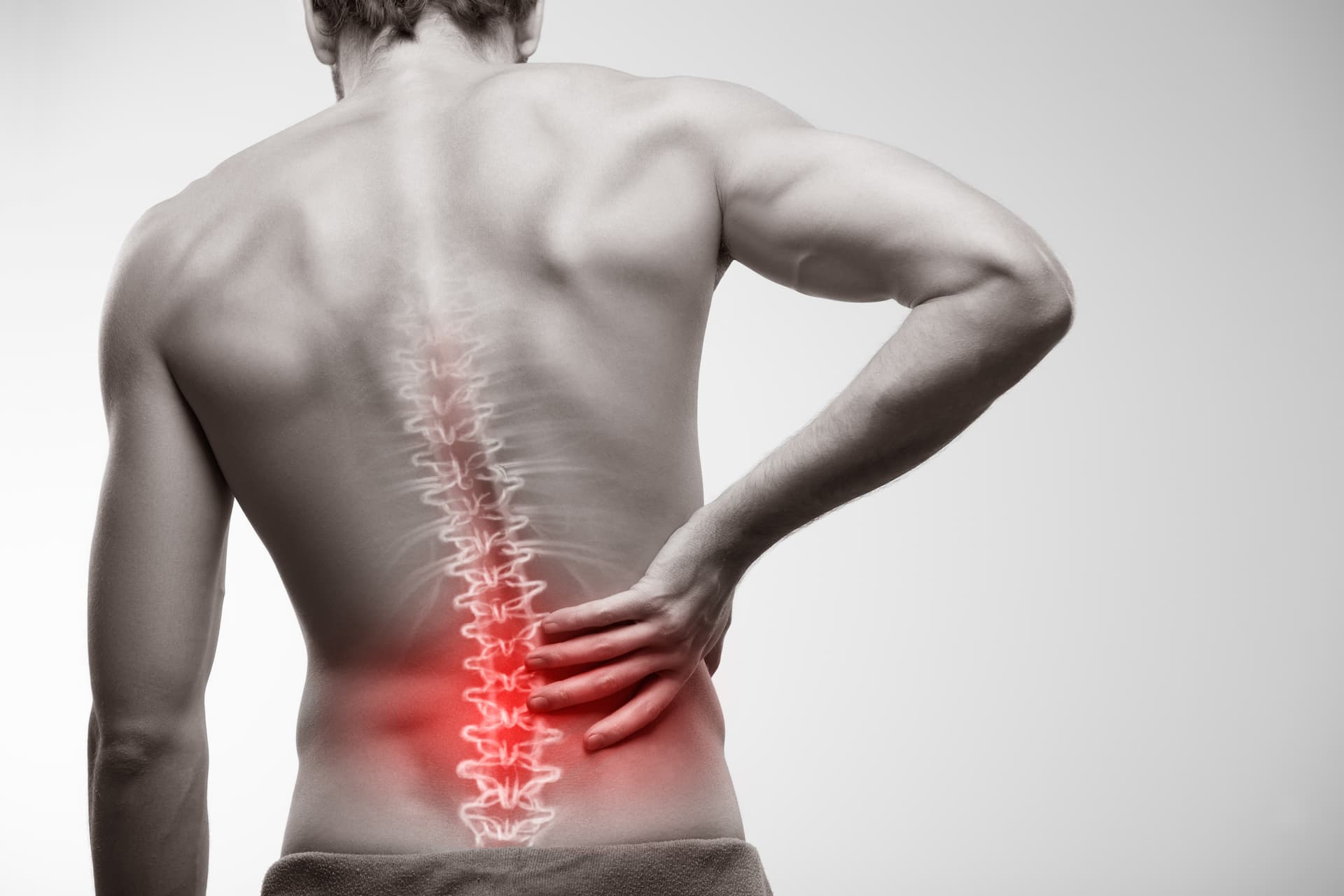
Comprehensive Non-Surgical Scoliosis Care for Lasting Spine Health
MD Pain understands that scoliosis can be a debilitating condition, affecting not just the lumbar spine but overall physical well-being. Our experienced team is dedicated to providing comprehensive care that does not involve scoliosis surgery or spine surgery. Instead, we focus on therapies that support spine health and function, helping patients manage their symptoms effectively. Whether dealing with a mild curve or a more severe spine curvature, our goal is to offer treatments that enhance your daily life and long-term health without the risks associated with more invasive interventions.
How Scoliosis Impacts Your Spine and Daily Life
Scoliosis is more than just a curvature of the spine. It can affect the alignment of the hips, shoulders, and ribcage, which can lead to muscle imbalances, chronic back pain, and reduced range of motion. In severe cases, scoliosis may limit lung capacity, causing difficulty with breathing. At MD Pain, our scoliosis specialists focus on restoring spinal balance, reducing pain, and promoting overall musculoskeletal health for Denver residents living with scoliosis.
Scoliosis Symptoms
Someone afflicted with scoliosis may have minor, barely noticeable symptoms, or their symptoms can be painful and disabling. For example, the curve may be so severe that it reduces the amount of room in the chest cavity for oxygen. As a result, someone with this type of curve may find it difficult to breathe.
Often, scoliosis can be diagnosed visually by a trained professional. The visible signs of scoliosis may include:
- The ribcage jutting out on one side
- One shoulder blade more prominent than the other
- One hip is higher than the other
- Uneven shoulders
- An uneven waist
- Leaning to one side
- Asymmetry when bending forward
- Spinal Deformity
- Patches of hair or other skin abnormalities on areas near the spine
Other more formal techniques may also be used for diagnosis, such as X-rays, spinal radiographs, CT scans, or MRI.
Because the irregular curvature tends to appear gradually, scoliosis may often go unnoticed in its early stages. It’s not uncommon for someone else, like a parent, teacher, friend, or athletic coach to notice an asymmetry or irregularity before the patient realizes anything is out of the ordinary.
Causes of Scoliosis
While most causes of scoliosis are unknown, some cases can be identified to a specific source. Causes of scoliosis include the following:
- Genetics
- Neuromuscular conditions, like cerebral palsy or muscular dystrophy
- Injuries
- Infections
- Prior infant surgeries
- Birth defects
While both genders can have scoliosis, cases are much more prevalent in girls. The cause is thought to be the flood of hormones that females experience in the months before puberty. The culprit is the intense phase of growth in females that occurs right before puberty.
Since girls also physically mature faster than boys, the progression of an irregular curve can be noticed much faster. Height is another potential risk factor, with taller children having a slightly increased risk of developing scoliosis.
Though genetics can play a part in scoliosis, it is far from a determining factor. According to Mayo Clinic, most children diagnosed with scoliosis have no associated family history.
How Scoliosis Can Affect You
In mild cases, there may not be any complications; however, more severe cases can wreak havoc on one’s health.
For example, scoliosis can lead to breathing problems due to limited space in the chest to breathe in oxygen. Another potential complication is painful back problems. Left untreated, the back pain can become debilitating.
Treatment for Scoliosis
If self-care doesn’t resolve your Scoliosis, other treatments are available. Non-surgical options include:
- Observation: For younger children with only minor irregularities in curvature, mere observation may be the best route. Here, a medical professional will examine the patient at regular intervals to observe whether the mild scoliosis has begun to correct itself or is getting worse.
- Braces: When a patient has not yet reached skeletal maturity, orthopedic braces can be effective in correcting the scoliosis curves of the spine by bracing just the spinal column. Recent technological advances in braces have made them more comfortable to wear while being less noticeable physically.
- Physical Therapy: Physical therapy is a crucial component of idiopathic scoliosis treatment. Tailored exercises and stretches help improve spinal alignment, reduce abnormal curvature including lateral curvature and sideways curvature, and alleviate discomfort associated with this curvature disorder. Our scoliosis specialist works with the patient to enhance strength, flexibility, and posture, promoting a better quality of life for individuals living with scoliosis.
- Surgery: In cases of a severe deformity, surgery may be recommended for scoliosis treatment to correct the curve. Surgery could be the best route for both children and adults. In the case of an adult with a pronounced curve, other symptoms may manifest themselves, including nerve pain and a lack of control of the bladder or bowels.
If surgery is ultimately recommended, there are several approaches that could potentially be taken, including minimally invasive fusions.
In every case, we get to know our patients and perform a thorough health history to help determine a path to correct a scoliosis curve that results in maximum correction with the least invasive form of intervention.
Long-Term Management of Scoliosis
Even after active treatment, scoliosis requires ongoing management. Maintaining good posture, engaging in regular physical activity, and following a tailored exercise program help prevent further curvature and reduce discomfort. MD Pain provides continuous support for Denver residents, ensuring that patients maintain spinal health and improve quality of life long-term.
Contact MD Pain to Discuss Denver Scoliosis Treatment
We help Denver patients with scoliosis improve function, reduce spine pain, and enhance overall mobility by addressing the root cause of an irregular spinal curve and implementing personalized treatment strategies. To learn more about our scoliosis treatment in Denver and how we can help restore comfort and mobility, contact MD Pain today to schedule a new patient consultation.
Questions Patients Commonly Ask About Scoliosis
MD Pain specialists look for visual signs such as uneven shoulders, a prominent shoulder blade, or a tilted pelvis. We also use imaging tests like X-rays, spinal radiographs, or MRI to confirm the presence and severity of spinal curves. Early diagnosis allows for more effective intervention.
MD Pain provides bracing, therapeutic exercises, and observation programs. These treatments focus on reducing discomfort, improving posture, strengthening spinal muscles, and preventing progression of the spinal curve.
Surgery is considered in severe cases when the spinal curve causes pain, reduced mobility, or neurological symptoms. MD Pain evaluates each patient thoroughly and explores non-surgical options before recommending surgery. Minimally invasive procedures may be an option for eligible patients.
Absolutely. While scoliosis often develops during childhood or adolescence, adults can benefit from bracing in select cases, and targeted exercises to reduce pain, improve posture, and enhance spinal function. MD Pain tailors treatment plans to each adult patient’s needs.
The frequency of monitoring depends on age, severity, and progression of the curve. MD Pain specialists recommend regular evaluations, especially for children and adolescents, to track changes in spinal alignment and adjust treatment as needed.